OUR STORY

Weaving Craft

Yunjin includes a rich range of patterns and varieties. It can be broadly divided into three major categories: kuduan satin, kujin brocade, and zhuanghua, each with several distinct forms.

Process Introduction

Chinese silk textiles have long been described as “thin as gauze, light as luo, splendid as brocade, and soft as velvet.” Ancient China developed many types of silk fabrics, each with its own strength. The zhuanghua technique of Nanjing Yunjin brings these silk-weaving skills together. It is rich and pure in color, and because of its imperial background, unusually free in its choice of materials. Nanjing Yunjin boldly turns gold, silver, bird feathers, and other materials into threads, then weaves them according to their individual qualities. Its materials, time, and care far exceed ordinary silk textiles, fully deserving the name of imperial Yunjin.
Process Introduction

01. Kuduan Satin

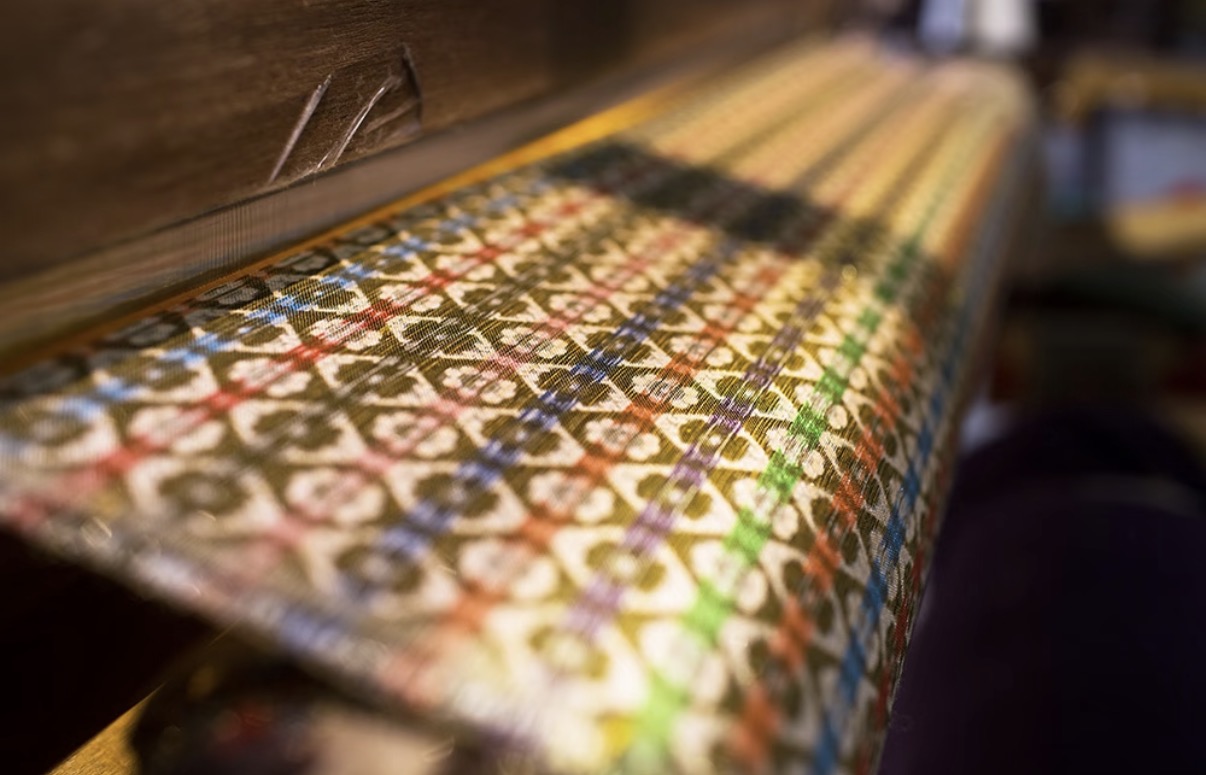
"A piece of satin with a pattern of flowers, elegant and auspicious, is a warm and smooth brocade suitable for daily wear." Kudan, also known as "Muben Satin", derives its name from being woven and then entered into the "Satin Warehouse" of the Imperial Household Department. It is a natural-colored jacquard satin, featuring natural-colored flowers or other monochromatic patterns on the satin base, divided into bright flowers and dark flowers. In addition to the "Gaochi Shenbo" imperial edicts woven with five-colored silk threads, there are also satins with gold threads woven into some patterns, known as "Zhuangjin Kudan Satin". These are mostly used for clothing materials, including several types such as Zhuangjin, Zhuangcai, and Jinye Diankudan Satin, with a majority featuring floral patterns.

01. Kuduan Satin

02. Kujin Brocade

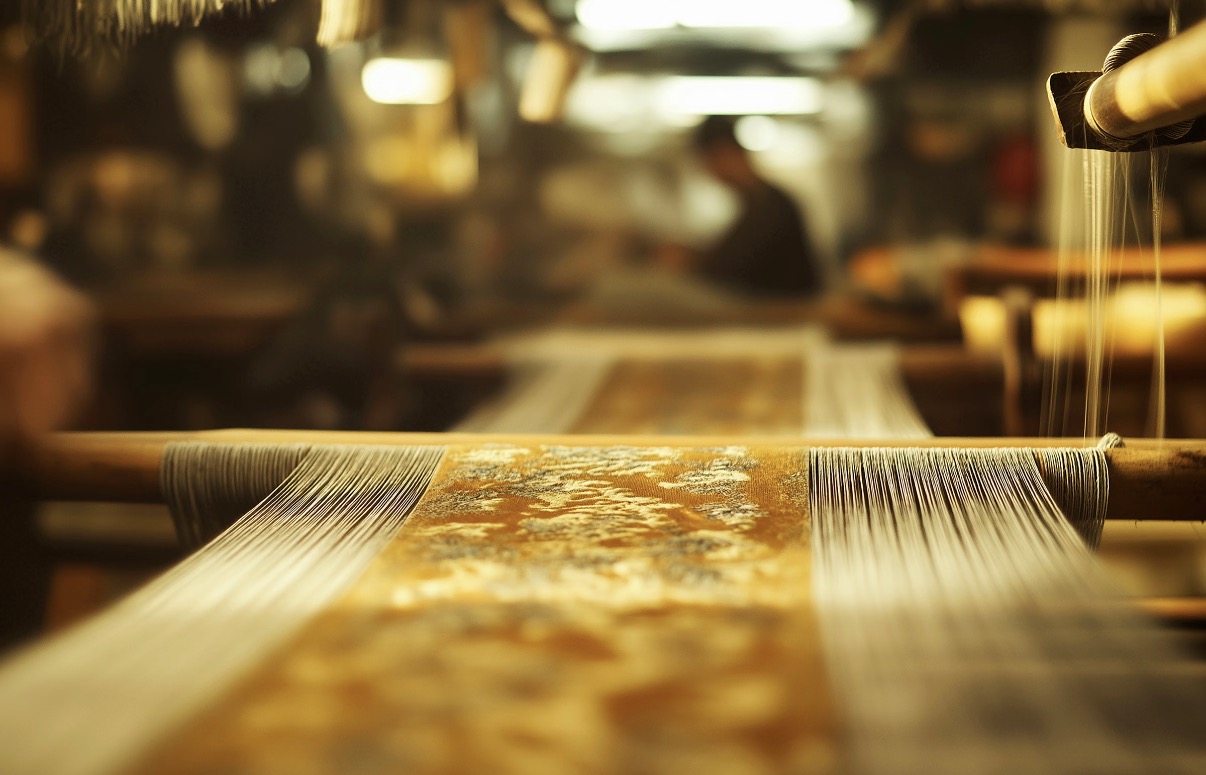
"The ground is covered with fine and intricate gold patterns, each inch of gold thread is equally precious, specifically crafted for edging and decoration." "Kujin" refers to a heavy brocade woven with colorful velvet gold threads using a shuttle-passing technique. Similar to the origin of the name "Kudan", it is named after being woven and then entered into the "Satin Warehouse" of the palace. The pattern area is relatively small, and the design patterns and cross-stitch knots are relatively labor-saving, yet they are rich in variation and exquisite charm, with broad practicality. The weaving methods of Kujin include "Jinku Jin", "Cai Ku Jin", "Mashuo Zhuanghua", "Mashuo Jinbao Di", "Furong Zhuang", "Tianhua Jin", and many others. Due to the shuttle-passing weaving technique, the general fabric is thick and feels relatively hard.

02. Kujin Brocade

03. Zhuanghua

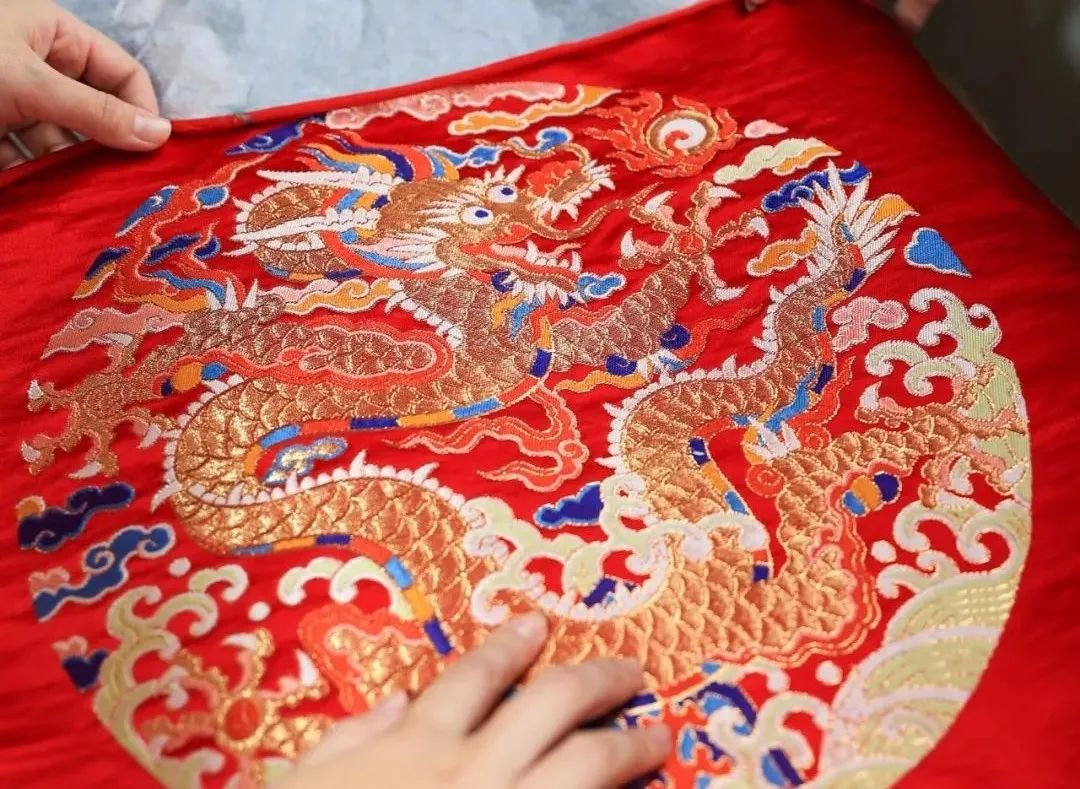
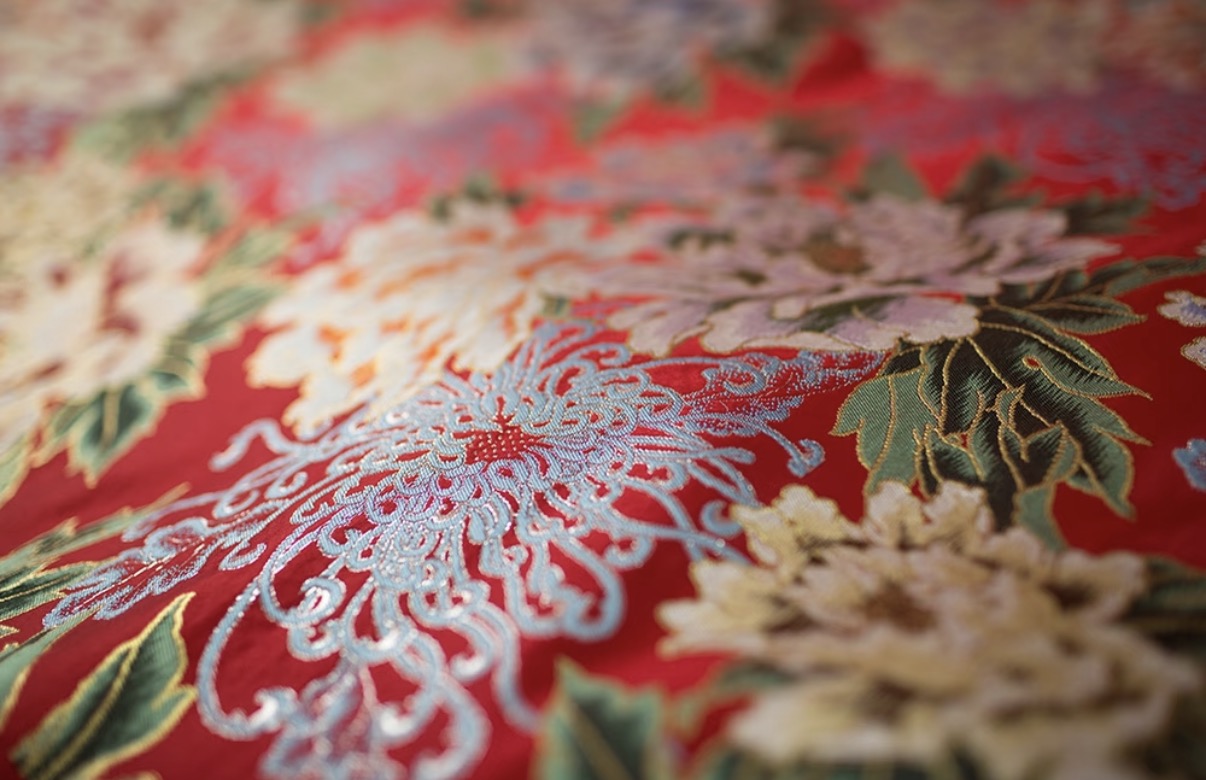
"Each flower is uniquely colored, with a panoramic view of dragons and phoenixes, embodying the culmination of a thousand years of weaving skills, and designated as the highest grade for royal use." Heavy weft jacquard silk fabric, also known as "patterned satin", often features colorful patterns on a satin base. It utilizes various colored silk threads and employs the technique of "weaving with a hollow shuttle" to decorate the patterns on the fabric. Adjacent patterns can be freely changed in color, resulting in rich and colorful works. The "patterning" technique, which originated in the early Ming Dynasty, has always been a leader among imperial products, exclusively owned by royal nobles. It remains unmechanized to this day and represents the highest level of silk weaving craftsmanship.

03. Zhuanghua